
Environment and communities
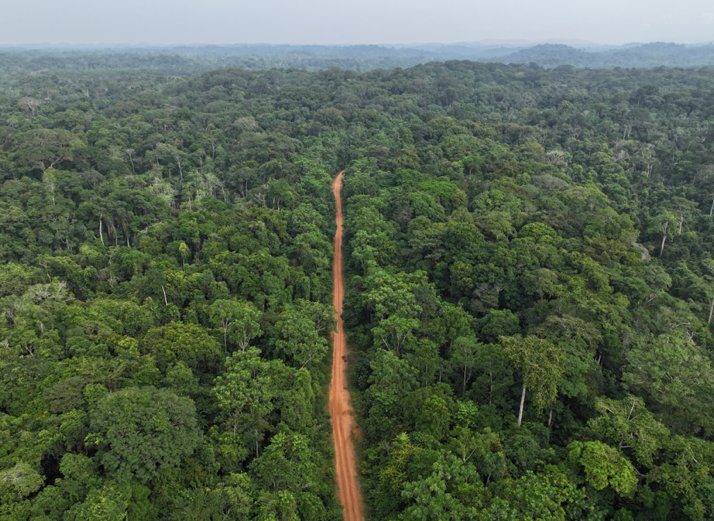
Mabounié site from the sky.
Impact studies
Impact studies to international standards
The project covers three areas: the mine at Mabounié, the river corridor down to the estuary, and the industrial complex and port at Ozouri. Two environmental and social impact assessments (ESIAs) are being prepared:
ESIA 1
The mine, its associated facilities and the river corridor.
ESIA 2
The Ozouri industrial complex, port facilities and access.
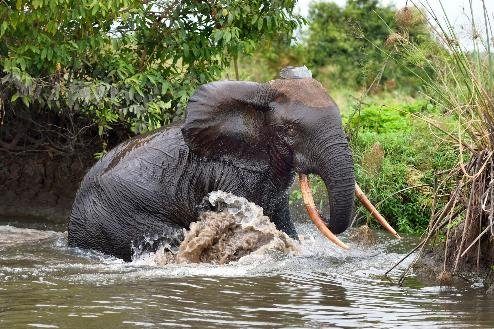
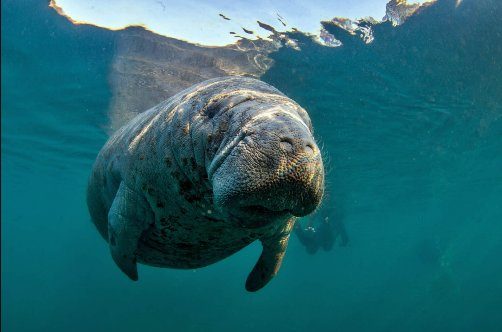
The studies cover five areas of expertise: forest and land ecosystems; rivers, estuary and coast; water and sediments; air, noise, soil and environmental radiology; and the human environment, including the use of natural resources and local economic activities.
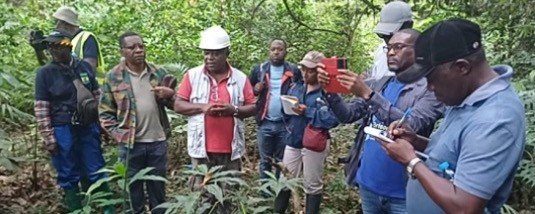
They build on the many studies carried out in the past, target additional field campaigns at the new project design, and will define the measures to protect and monitor habitats over time. They will also add to scientific knowledge of Gabon's living environment.
Footprint
A design that reduces the footprint
Physical separation only at the mine: no chemical processing at Mabounié.
Only concentrates are transported, by river.
Water and main reagents are recycled within the process.
Tailings managed with progressive backfilling of the pits.
Natural radioactivity managed according to IAEA standards, with radiation protection and continuous monitoring.
Dialogue
Dialogue with communities
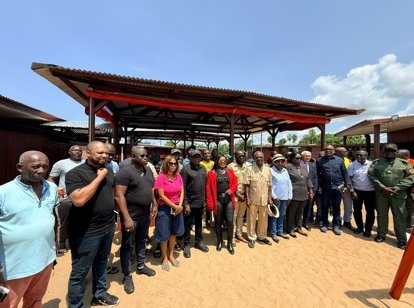
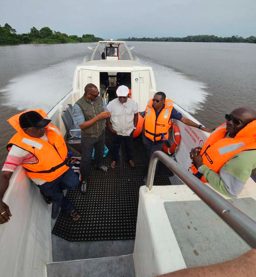
DUSK maintains a regular dialogue with local communities, traditional authorities and the administration. Socio-economic surveys and community meetings have been held at Ozouri and around Mabounié.
Resettlement
Resettlement and livelihoods
At Ozouri, a resettlement action plan is being prepared to international standards by a specialised firm. It provides for fair compensation, relocation where necessary and support for livelihoods, with particular attention to vulnerable people. The required measures will be in place before any land is accessed, and support will continue afterwards.